Most chimney problems don’t announce themselves loudly. There’s no warning light, no alarm — just small signs that are easy to miss until the day they aren’t. Here’s what to actually watch for, and a few common beliefs about chimney maintenance that are worth setting straight.
8 signs your chimney needs sweeping or relining
1. A persistent smoky smell in the room
If you notice a lingering smoky odour even when the fire isn’t lit, air is moving the wrong way somewhere in the flue. That’s usually a draft or blockage issue, not just “how fireplaces smell.”
2. Smoke drifting back into the room
A healthy flue pulls smoke upward and out. If smoke is spilling back into the room when you light a fire, something — soot buildup, a blockage, or a structural issue — is disrupting the draft.
3. A thick, dark, glossy buildup inside the flue
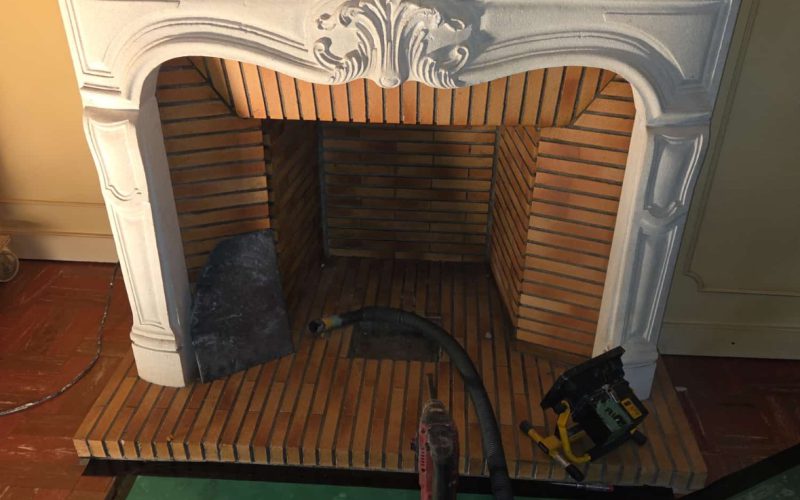
This is bistre — hardened creosote that forms when wood burns at a low, smouldering temperature. It’s different from ordinary soot: soot brushes away easily, bistre doesn’t. If your sweep mentions bistre, a standard brush won’t be enough; the flue needs de-tarring (débistrage), a more thorough mechanical or chemical treatment.
4. Debris falling into the fireplace or stove
Small pieces of mortar, brick, or old liner material landing in the hearth are a sign the flue’s internal structure is deteriorating — worth having checked before it’s used again.
5. Visible cracks or crumbling mortar
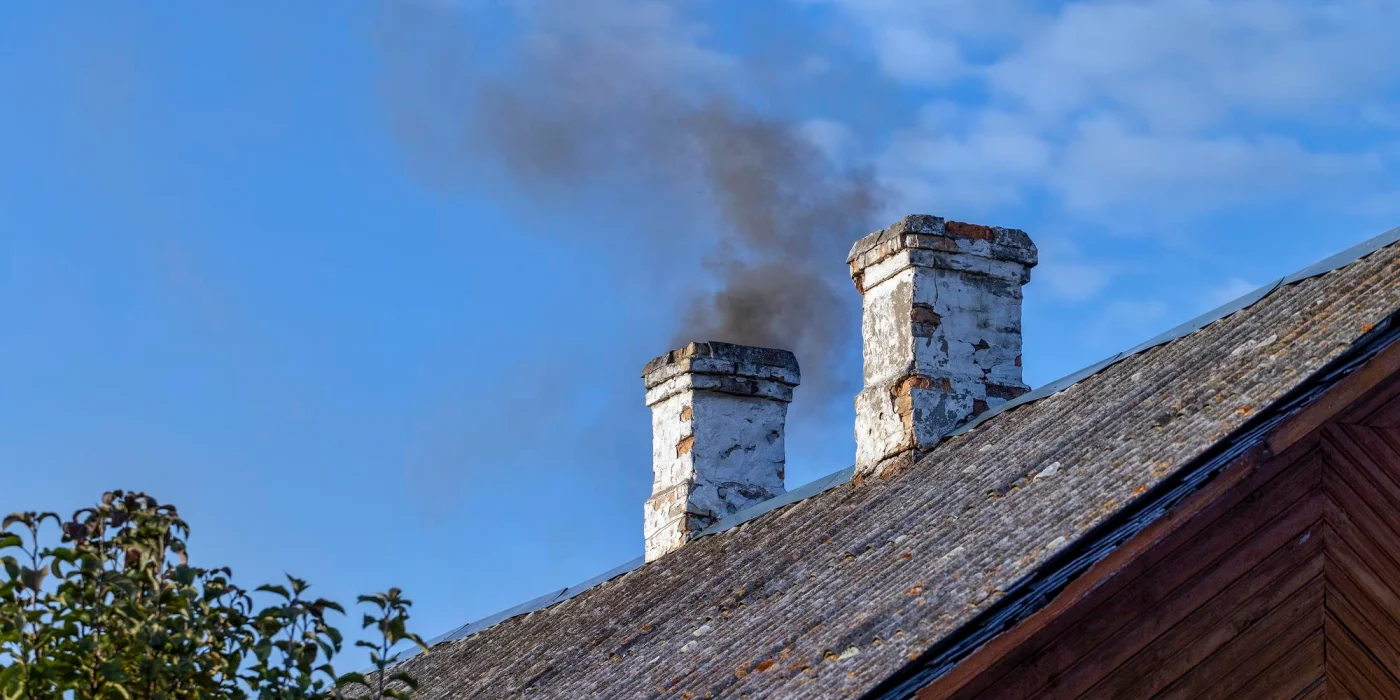
Cracks in a masonry chimney, inside or out, aren’t just cosmetic. They can let heat, sparks, or exhaust gases reach places they shouldn’t — including timber structures nearby.
6. A chimney that’s the wrong size for a new appliance
If you’re installing a new stove, insert, or boiler, an older flue built for a different kind of fire may be too wide, too narrow, or otherwise mismatched. This is one of the most common reasons a liner is recommended, independent of the flue’s condition.
7. Signs of nesting or blockage
Birds and small animals occasionally find their way into unused or poorly capped flues. A sudden change in draft, strange noises, or debris can all point to a nest or obstruction.
8. It’s simply been more than a year
Sometimes there’s no dramatic sign at all — just time passing. A flue in regular use for solid fuel should be swept at least once a year regardless of whether anything seems wrong; problems like bistre buildup develop gradually and aren’t always obvious from the room below.
5 myths that put homes at risk
Myth: “If I don’t smell or see anything, it’s fine.”
Carbon monoxide has no smell, no colour, and no taste. A partially blocked or damaged flue can leak it back into the home well before any other symptom appears. This is exactly why working smoke and CO detectors matter as much as the chimney itself.
Myth: “A chimney liner means I never need sweeping again.”
A liner protects the structure and improves the draft — it doesn’t stop soot and creosote from building up inside it. Lined chimneys still need regular sweeping on the same schedule as unlined ones.
Myth: “Modern stoves burn too cleanly to produce bistre.”
Bistre forms mainly from incomplete combustion — burning damp wood, restricting the air supply too much, or running a stove at very low output for long periods. Even efficient modern appliances can produce it if they’re operated the wrong way.
Myth: “Shop-bought chimney logs replace a professional sweep.”
These products can help loosen light soot between sweeps, but they don’t remove hardened bistre, and they can’t inspect the flue for cracks, blockages, or structural issues. They’re a supplement, not a substitute.
Myth: “It’s just a chimney fire — it’ll burn itself out.”
A chimney fire can reach temperatures high enough to crack masonry, ignite nearby roof timber, and spread well beyond the flue itself. It’s a structural fire risk to the whole house, not a contained, self-limiting event.
When in doubt, have it looked at
None of these signs require you to diagnose the problem yourself — that’s what a proper inspection is for. If something on this list sounds familiar, or it’s simply been a while since your last sweep, get in touch and we’ll take a look before it becomes a bigger job.